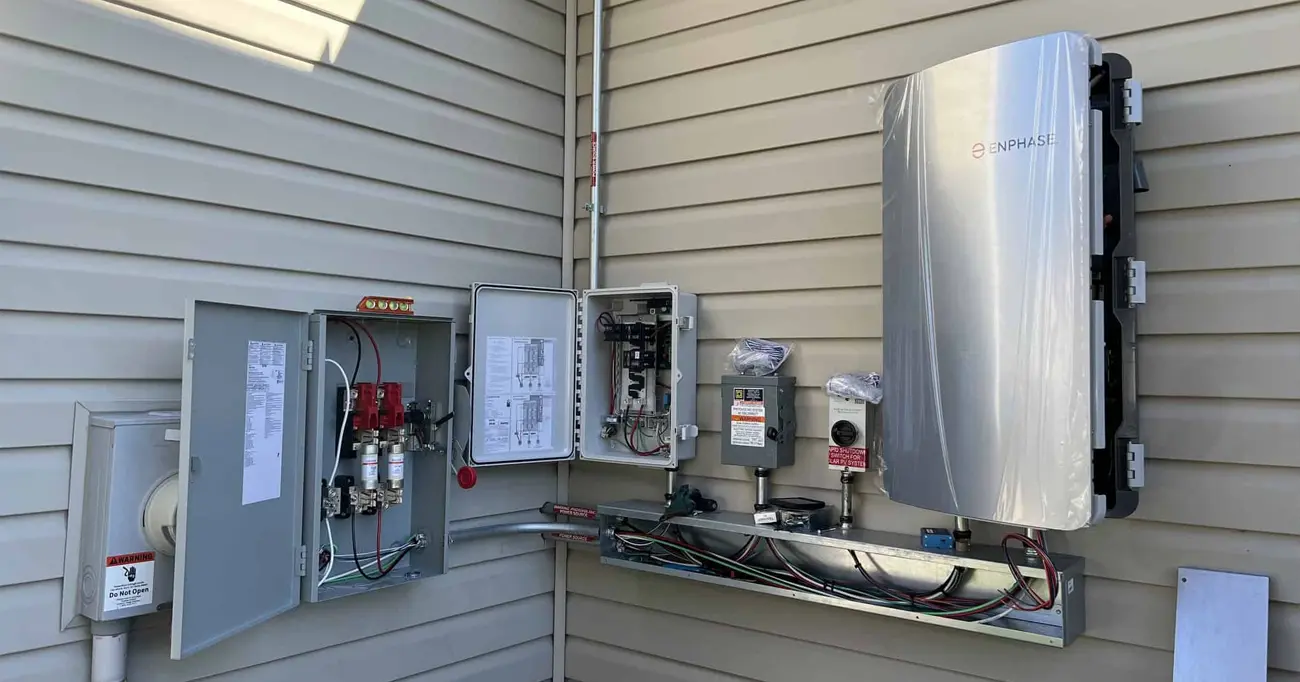
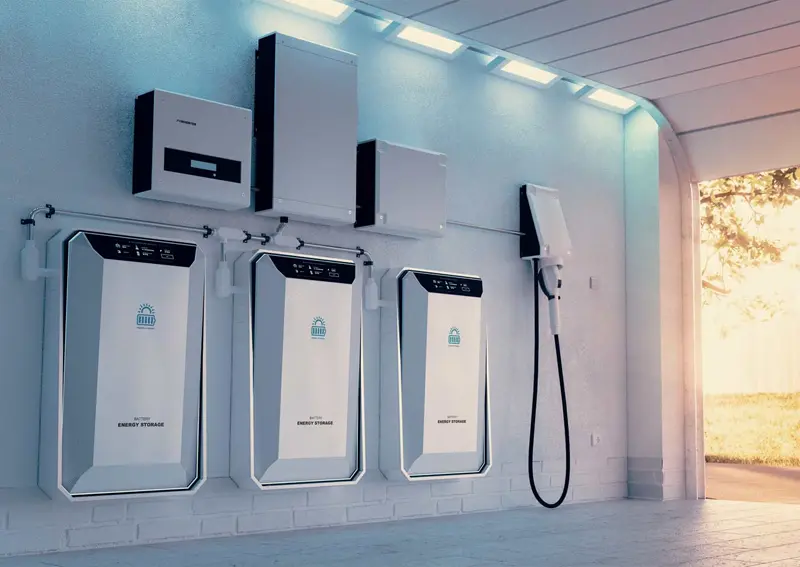
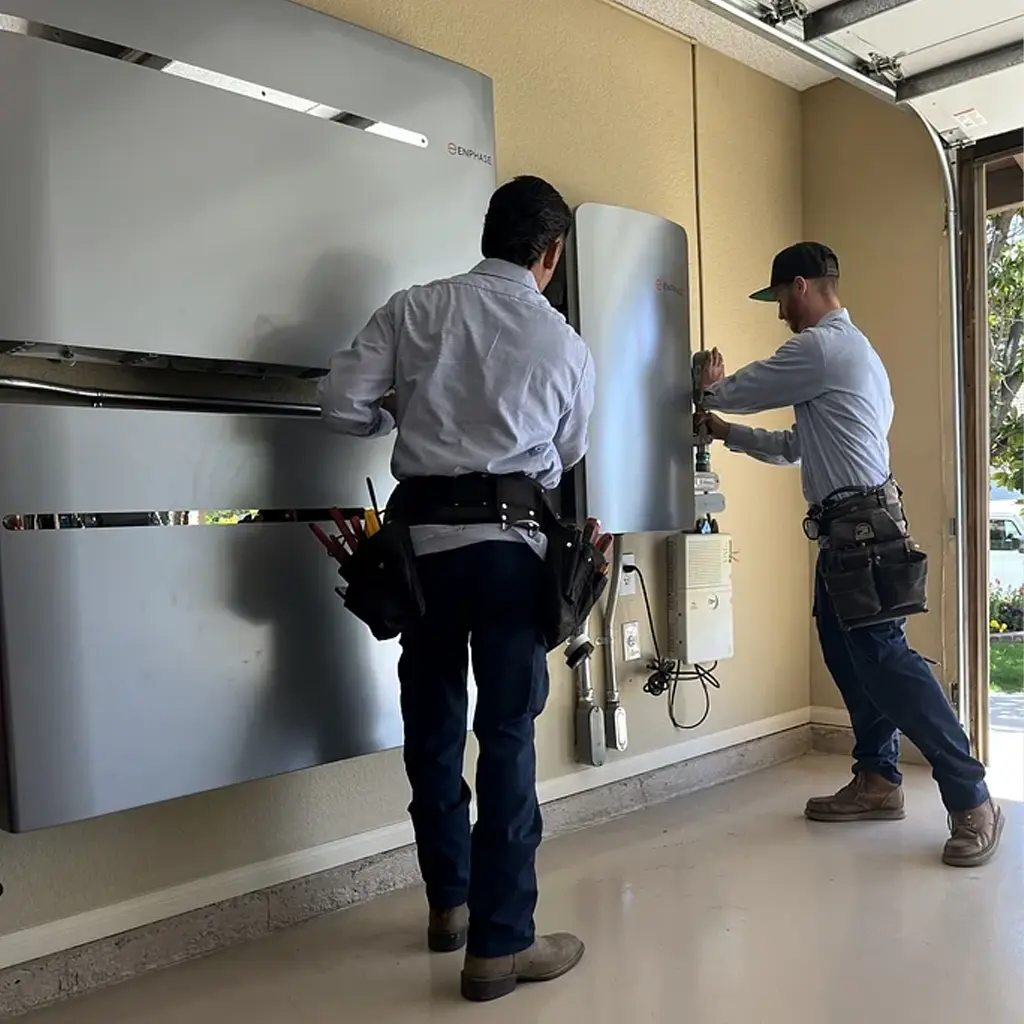
With rising energy costs, frequent weather-related outages, and growing interest in sustainable living, home energy storage systems are more important than ever. American Safety Standards provides professionally designed and installed battery backup systems for residential properties across Florida. Our solutions are tailored for homes with or without solar power, helping residents maintain electricity during grid interruptions while optimizing energy usage during peak-rate hours.
Residential Battery Backup and Whole-Home Energy Storage Systems
Protect your home from outages and reduce peak energy costs with NEC and UL9540-compliant battery storage systems. Solar-ready and PACE-financed.
Lower reliance on grid electricity
Qualification for federal tax credits and energy rebates
Eligible for PACE financing and solar incentive programs
Reduced greenhouse gas emissions when paired with renewable energy
Avoid power loss during hurricanes, thunderstorms, and grid failures
Back-up home offices, security systems, refrigeration
Protect medical devices that require uninterrupted electricity
Energy savings through load shifting and peak shavings.
Why Energy Storage Matters
Battery backup systems provide seamless, automatic electricity when the grid goes down. Unlike portable generators, these systems are silent, emissions-free, and safe to operate indoors. In Florida, where hurricanes and tropical storms frequently disrupt utility service, battery storage systems help maintain access to essential appliances, lighting, medical devices, and HVAC systems. With time-of-use rates becoming more common, battery systems also reduce electric bills by storing energy when rates are low and discharging it when rates are high.
Why Choose American Safety Standards
We don’t just install batteries—we engineer full home resilience. Our licensed electricians, energy advisors, and compliance specialists work together to design systems that maximize your investment, meet strict safety standards, and offer long-term peace of mind. Whether you’re interested in backup-only or want to integrate with solar and EV charging systems, we deliver turnkey storage solutions backed by expert guidance.
FAQs:
Q: Do I need solar panels to benefit from a battery backup system? A: No. Batteries can be charged from the grid and used during outages or peak-rate periods. Solar integration is optional but highly recommended for sustainability.
Q: How long can a battery system power my home?
A: Runtime depends on battery size and load. Most systems can run essentials (refrigeration, lights, modem, HVAC fan) for 12–24 hours or longer with energy management.
Q: What’s the difference between whole-home and partial load systems?
A: Whole-home systems power everything. Partial load systems prioritize critical circuits and essential devices for extended runtime and lower cost.
Request a Custom Battery Storage Proposal:
Our energy consultants will assess your home’s needs, recommend a compliant storage system, and walk you through financing, installation, and incentive programs.